
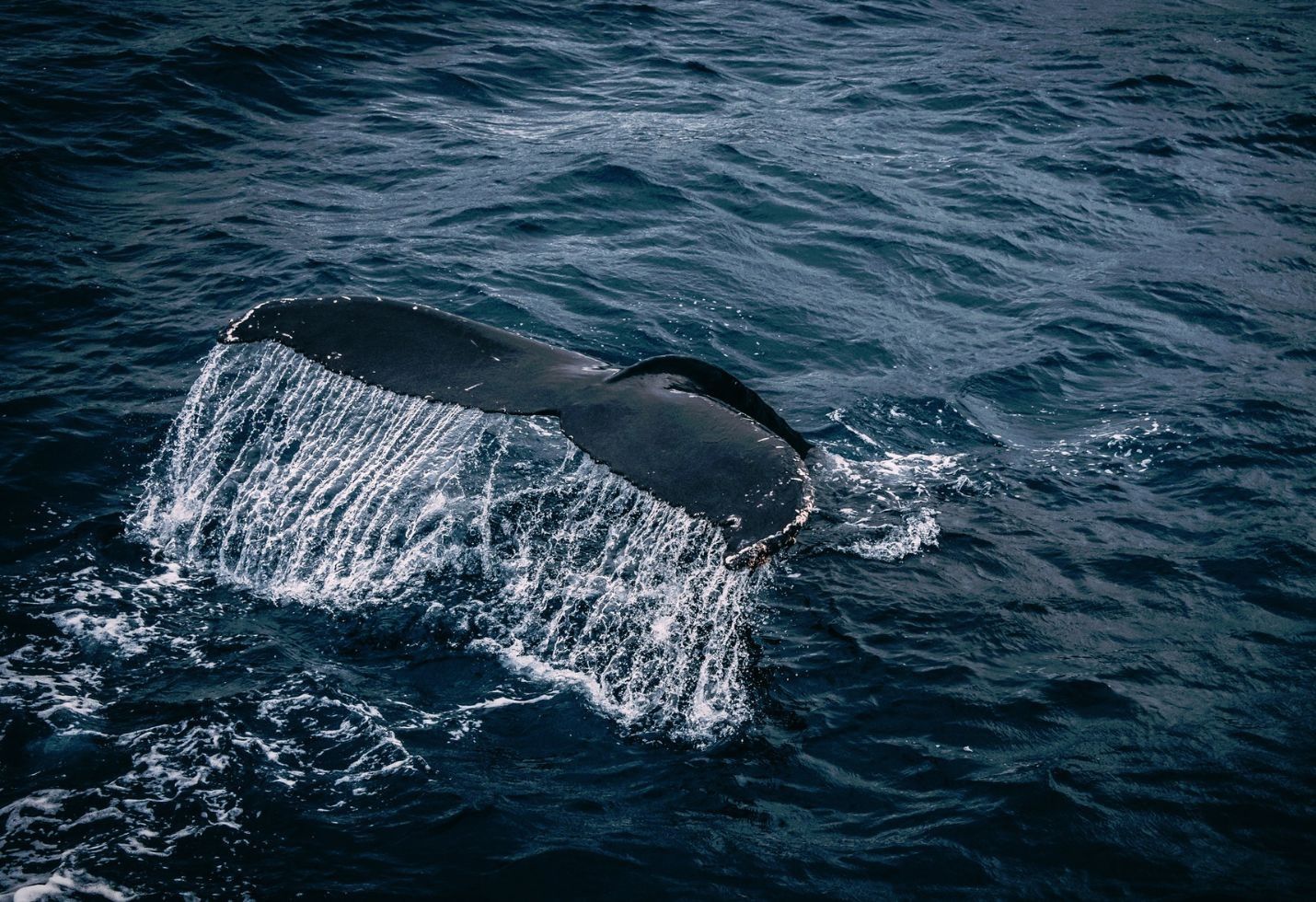
For the first time ever, marine biologists have recorded the heart rate of a blue whale in the wild—the results of which even surprised the scientists.
New research published Monday in Proceedings of the National Academy of Sciences is the first to provide a heart rate profile for free-ranging blue whales. The resulting data shows how the hearts of these enormous cetaceans help them hold their breath for prolonged periods of time as well as how they’re suddenly able to exert the energy needed for lunge feeding and then replenish their blood oxygen levels when back at the surface.
Read more at Gizmodo.
